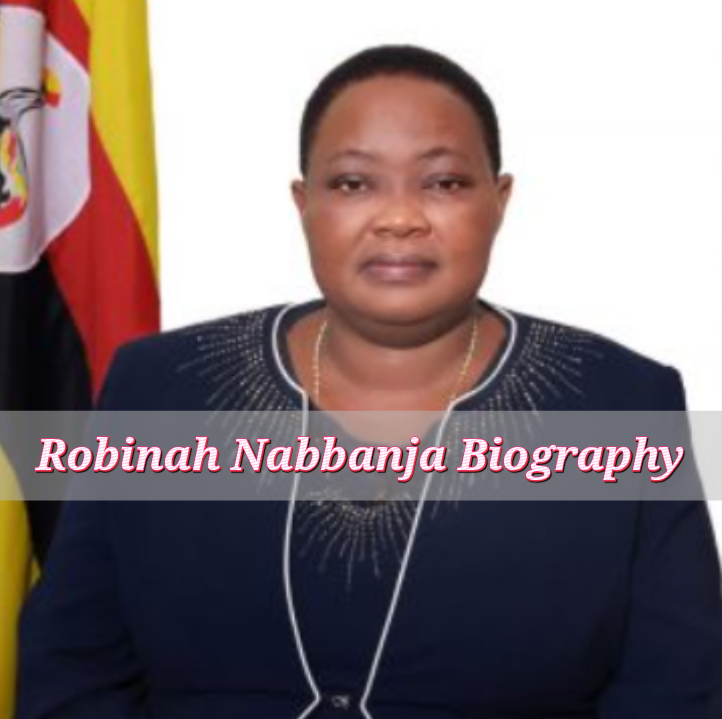
Robinah Nabbanja is a Ugandan educator and politician who serves as the first female Prime Minister of Uganda. Born on 17 December 1969 in Kamusenene village, she rose from humble beginnings in rural Western Uganda to become a key figure in the country’s leadership. As a member of the National Resistance Movement (NRM), she has held various positions in government and parliament, focusing on community development, health services, and effective governance.
Her appointment as Prime Minister in June 2021 marked a historic milestone for Uganda, highlighting progress in gender representation at the highest levels of government. Nabbanja continues to serve as the Woman Member of Parliament for Kakumiro District while leading government business in Parliament. Her career reflects dedication to public service, education, and socio-economic transformation.
Robinah Nabbanja Early Life and Background
Robinah Nabbanja was born on 17 December 1969 in Kamusenene village, Nkooko Sub-County, in what is now Kakumiro District in the Bunyoro region of Western Uganda. She is the seventh of eleven children born to the late John Kayiira, a farmer and tailor, and Nzeremeri Nakato. Growing up in a rural setting, she experienced the challenges of village life, including limited access to resources, which shaped her commitment to community development and service delivery.
Her family background instilled values of hard work and resilience. Her father’s roles as both a farmer and tailor provided for the large family, but resources were modest. Nabbanja often speaks about her early experiences carrying firewood and contributing to household duties, which fueled her drive to improve opportunities for rural communities, especially women and children. She attended Nkooko Primary School for her primary education before proceeding to St. Edward’s Secondary School in Bukuumi for both Ordinary Level (O-Level) and Advanced Level (A-Level) studies. She obtained her Uganda Certificate of Education in 1987 and the Uganda Advanced Certificate of Education in 1990.
These formative years in a humble environment laid the foundation for her passion for education and leadership. Nabbanja’s journey from a village girl to a national leader demonstrates how determination and access to education can overcome socioeconomic barriers.
Robinah Nabbanja Education
Nabbanja pursued further education while balancing early career and family responsibilities. Between 1990 and 2000, she earned several certificates and diplomas in leadership, management, and development studies. These qualifications came from institutions such as Uganda Martyrs University, Uganda Management Institute, Islamic University in Uganda, and the National Leadership Institute in Kyankwanzi. She also obtained a diploma in democracy and development studies from Uganda Martyrs University during this period.
In 2013, she completed a Bachelor of Arts degree in Democracy and Development Studies from Uganda Martyrs University. She continued her academic journey later in life, graduating with a Master of Arts in Monitoring and Evaluation from Nkumba University in 2023. Her educational path reflects a lifelong commitment to learning and professional growth, particularly in areas related to governance, policy formulation, and evaluation.
These qualifications equipped her with skills in public administration, community mobilization, and effective policy management. Nabbanja has emphasized the importance of education for women and girls, using her own story to inspire others in similar rural backgrounds.
Robinah Nabbanja Career
Nabbanja began her professional life as an educator. From 1993 to 1996, she taught at Uganda Martyrs Secondary School in Kakumiro. This experience deepened her understanding of local challenges in education and youth development.
She entered public service in 1998 as a District Councillor representing Nkooko Sub-County in what was then Kibaale District. In this role, she also served as Secretary for Health, Gender, and Community Services, gaining practical experience in local governance and addressing issues related to health and women’s empowerment.
From 2001 to 2010, she served as Resident District Commissioner in the districts of Pallisa, Busia, and Budaka. This decade-long appointment involved overseeing government programs at the district level, implementing national policies, and ensuring security and development initiatives reached local communities. Her work during this period highlighted her administrative capabilities and dedication to grassroots service.
In 2011, Nabbanja transitioned to national politics by contesting and winning the seat of Woman Representative for Kibaale District in the 9th Parliament. When Kakumiro District was created in 2016 from parts of Kibaale, she successfully ran for and won the Woman Representative seat for the new district. She has held this position through subsequent elections, including in 2021 and beyond.
In Parliament, she served as Treasurer of the NRM Caucus from 2011 to 2016 and as a Parliamentary Commissioner from 2016 to 2019. These roles involved financial oversight within the party caucus and broader parliamentary administration. In December 2019, she was appointed State Minister for Health (General Duties), a position she held until May 2021. During her tenure in the health ministry, she contributed to initiatives addressing public health challenges, including service delivery improvements.
On 8 June 2021, President Yoweri Museveni appointed her as Prime Minister and Leader of Government Business in Parliament. Parliament confirmed her appointment on 21 June 2021, making her the 11th Prime Minister of Uganda and the first woman to hold the position since independence in 1962. As Prime Minister, she chairs Cabinet meetings and coordinates government efforts toward socio-economic transformation.
Her leadership has focused on key national priorities such as the Parish Development Model (PDM), sustainable development, and community mobilization. She has represented Uganda at international forums, including chairing the United Nations Africa Regional Forum on Sustainable Development. In recognition of her contributions, she received awards such as the African Female Leader of the Year in 2024 and the Global Inspirational Leadership Award.
Throughout her career, Nabbanja has advocated for effective service delivery, women’s participation in leadership, and addressing the needs of rural populations. Her progression from teacher to Prime Minister illustrates a steady rise grounded in public service and political acumen.
Robinah Nabbanja Personal Life
Robinah Nabbanja is married to Hassan Musafiri, and the couple has two daughters. She maintains a relatively private family life while balancing demanding public responsibilities. Her family has been supportive of her career, and she often credits her upbringing and personal experiences for shaping her values of hard work, integrity, and community focus.
Nabbanja is known for her approachable style and passion for mobilizing communities. She remains connected to her roots in Kakumiro District and continues to advocate for issues affecting women, children, and rural development.
Conclusion
Robinah Nabbanja’s life and career embody resilience, dedication, and transformative leadership. From her early days in a rural Ugandan village to becoming the country’s first female Prime Minister, she has broken barriers and set an example for future generations. Her focus on education, health, community development, and good governance continues to influence Uganda’s progress. As she leads the government, her legacy will likely include strengthened institutions, empowered women in leadership, and improved livelihoods for ordinary citizens. Nabbanja’s story inspires many to pursue public service with commitment and vision for a better nation.
FAQs
What is Robinah Nabbanja’s date of birth and place of birth?
Robinah Nabbanja was born on 17 December 1969 in Kamusenene village, Nkooko Sub-County, Kakumiro District, Uganda.
What positions did Robinah Nabbanja hold before becoming Prime Minister?
She served as a teacher, District Councillor, Resident District Commissioner in multiple districts, Member of Parliament for Kibaale and later Kakumiro, Parliamentary Commissioner, and State Minister for Health (General Duties).
Is Robinah Nabbanja the first female Prime Minister of Uganda?
Yes, she is the first woman to hold the position of Prime Minister of Uganda since the country gained independence in 1962.
What are Robinah Nabbanja’s educational qualifications?
She holds a Bachelor of Arts in Democracy and Development Studies from Uganda Martyrs University, a Master of Arts in Monitoring and Evaluation from Nkumba University, along with various diplomas and certificates in leadership and management.
What is Robinah Nabbanja’s role in the National Resistance Movement?
She is a senior member of the NRM, having served as Treasurer of the NRM Caucus in Parliament and currently leading government business as Prime Minister under the NRM government.